Magista: Elevating Design with Elegant Handwritten Typography
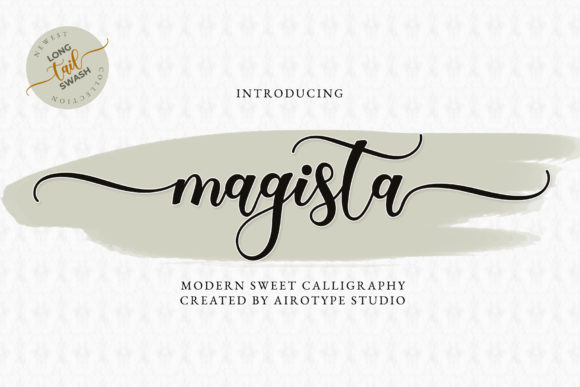
In the world of visual communication, the right typeface can transform a simple message into a memorable experience. For designers and creators seeking a touch of sophistication and warmth, the Magista font offers a perfect solution. This elegant and dainty handwritten font, with its sweet and delicate swashes, provides a unique aesthetic that bridges the gap between personal charm and professional polish, making it a versatile asset for a wide range of creative projects.
The Role of Typography in Modern Branding
Typography is a fundamental pillar of graphic design and brand identity. It communicates tone, personality, and values before a single word is read. A font like Magista, characterized by its graceful curves and fluid motion, injects a human touch into digital and print designs. This can be crucial for brands aiming to appear approachable, luxurious, or artisanal. In a landscape saturated with rigid sans-serifs and predictable serifs, a well-chosen handwritten font can provide the visual hierarchy and distinctiveness needed to stand out.
Practical Applications for Magista
The true value of a design asset lies in its versatility. Magista’s PUA encoding, which ensures easy access to all glyphs and swashes, empowers designers to explore its full potential across various mediums. Here’s how it can enhance different creative projects:
- Branding and Logo Design: Create distinctive logos, monograms, and brand marks that feel bespoke and authentic. The swashes can add a signature flair to a brand’s core visual identity.
- Marketing and Social Media Graphics: Use Magista for impactful headlines, quotes, and call-to-action text in social media posts, email campaigns, and digital advertisements. It grabs attention and fosters engagement.
- Editorial and Web Design: Implement it for pull quotes, article titles, or navigation elements in blogs and magazines to break the monotony of body text and guide the reader’s eye.
- Packaging and Print Design: Enhance product labels, stationery, wedding invitations, and gift tags. Its delicate nature conveys care and quality, directly influencing user experience at the point of sale.
- Presentations and Digital Products: Elevate slide decks, e-books, and online course materials. Thoughtful typography improves comprehension and makes information more visually appealing.
Integrating a Handwritten Font into Your Design Workflow
Introducing a new font into your toolkit requires strategic thinking. To maximize the impact of Magista, consider these design principles:
- Prioritize Readability: While decorative, handwritten fonts are best used for headlines, short phrases, or accents. Pair Magista with a clean, neutral sans-serif for body text to maintain clarity and a strong visual hierarchy.
- Maintain Consistency: Define specific use cases within your brand guidelines. Use the font consistently across all touchpoints—website, social media, packaging—to build a cohesive and recognizable brand identity.
- Test for Scalability: Ensure the font remains legible at both large display sizes and smaller print dimensions. Check the rendering on different devices and in various formats to guarantee a professional presentation.
- Harmonize with Color and Imagery: The font’s elegance pairs well with a refined color palette. Consider how it interacts with your background colors, textures, and accompanying imagery to create a unified aesthetic.
Ultimately, the goal of any design element is to serve the broader objective of clear and compelling communication. A resource like Magista is more than just a decorative tool; it is a means to add personality, emotion, and a layer of sophistication to your work. By making thoughtful, informed choices about typography and other creative assets, designers and businesses can significantly enhance their visual storytelling, strengthen audience connection, and achieve a more polished and professional result in every project.