The Charm of Teddy Doodle Font in Modern Design
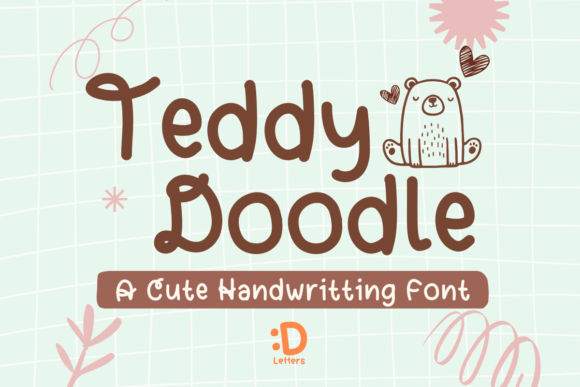
In a digital landscape often dominated by sleek, minimalist sans-serifs, there's a growing hunger for warmth, personality, and a human touch. This is where the Teddy Doodle font steps in, offering a delightful solution for designers seeking to inject playfulness and approachability into their work. Far more than just a cute typeface, Teddy Doodle is a versatile asset that can significantly enhance visual communication and brand identity across a multitude of creative projects.
Understanding the Role of Handwritten Fonts in Branding
Typography is a foundational element of graphic design, directly influencing mood, readability, and audience perception. A handwritten font like Teddy Doodle conveys authenticity, creativity, and friendliness. In brand identity, it can help a business stand out from competitors using generic typefaces, creating a memorable and relatable voice. For logos, social media graphics, and marketing materials, this style of font can break down barriers, making a brand feel more accessible and human-centric.
Its effectiveness lies in its balance. The Teddy Doodle font maintains legibility while embracing a charming, hand-drawn imperfection. This makes it ideal for applications where you need to capture attention and evoke emotion without sacrificing clarity.
Practical Applications for Teddy Doodle Font
The true power of a design asset is measured by its utility. Teddy Doodle excels across various formats, supporting a cohesive and engaging visual strategy. Here are some key areas where it shines:
- Branding and Logo Design: Perfect for businesses in creative, lifestyle, or family-oriented sectors, it adds a signature touch to logos, business cards, and brand guidelines.
- Digital Marketing & Social Media: Boost engagement on Instagram, Pinterest, and Facebook with eye-catching quotes, announcements, and story templates that feel personal and curated.
- Editorial & Web Design: Use it for pull quotes, section headings, or sidebar text in blogs and digital magazines to create visual interest and guide the reader's eye through the layout.
- Packaging & Merchandise: From product labels to tote bags and stickers, this font style can elevate packaging design, making unboxing an experience and turning merchandise into desirable keepsakes.
- Digital Products & Invitations: It's a top choice for digital planners, printable invitations, greeting cards, and photo albums, adding a bespoke, crafted feel to both digital and print designs.
Integrating Teddy Doodle into Your Design Workflow
Successfully incorporating a distinctive font like Teddy Doodle requires thoughtful consideration. To maximize its impact and ensure a professional presentation, keep these principles in mind:
1. Establish Visual Hierarchy: Pair Teddy Doodle with a clean, neutral sans-serif or serif font for body text. Use the doodle font for headlines, highlights, or accent words to draw attention without overwhelming the design. This creates a clear visual hierarchy that guides the viewer.
2. Mind Your Audience and Context: While versatile, this style resonates best with audiences that appreciate creativity and warmth. It may not be suitable for corporate legal documents, but it's perfect for a children's brand, a boutique bakery, or a creative portfolio.
3. Ensure Readability and Scalability: Test the font at different sizes and on various backgrounds. Its handwritten nature means it performs best at medium to larger scales where its character details are visible. For digital planners or UI elements, ensure key information remains legible.
4. Complement with Color and Imagery: Teddy Doodle pairs beautifully with a soft, pastel color palette or vibrant, playful hues. Integrate it with hand-drawn illustrations, doodles, or organic textures to create a unified and immersive aesthetic that strengthens your overall graphic design narrative.
Ultimately, the choice of typography is a deliberate design decision that shapes user experience and perception. Selecting a resource like the Teddy Doodle font is an investment in adding personality and emotional resonance to your creative projects. By applying it strategically, you can transform standard communications into engaging, memorable visual stories that truly connect with your audience.