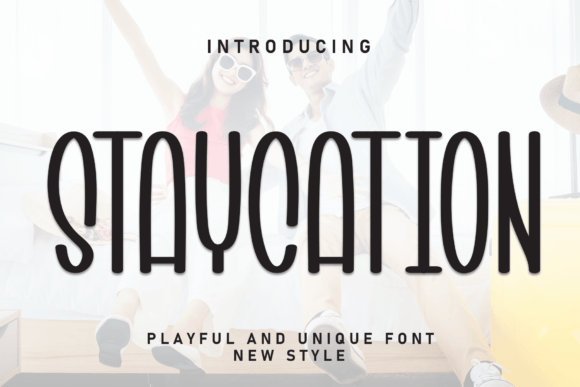
Travel Trip: A Handwritten Font for Authentic Design
In an era of digital perfection, the human touch is a powerful differentiator. The Travel Trip handwritten font offers exactly that—a blend of casual elegance and authentic personality that can transform a standard design into a relatable and engaging experience. For graphic designers and brand strategists, selecting the right typography is a foundational decision that impacts everything from brand perception to user comfort.
The Role of Authentic Typography in Modern Design
Typography is more than just letters; it's a critical component of visual communication. A font like Travel Trip serves as a creative asset that injects warmth, informality, and a sense of craftsmanship into projects. Its handwritten style helps bridge the gap between digital interfaces and human connection, making it invaluable for brands aiming to appear approachable and genuine. This aligns with current design trends that favor authenticity over sterile, overly corporate aesthetics.
Practical Applications Across Creative Projects
The versatility of a well-crafted handwritten font allows it to enhance a wide array of design outputs. Here’s how Travel Trip can be strategically applied:
- Branding and Logo Design: Ideal for boutique brands, artisanal products, or lifestyle companies where a personal, story-driven identity is key. It can be used in logos, wordmarks, or taglines to establish a friendly and memorable visual identity.
- Marketing Materials: From brochures and flyers to email headers, it adds a personal note that can increase engagement. It works particularly well for calls-to-action or special offers, guiding the viewer's eye with a natural, inviting flow.
- Social Media Content: Perfect for creating eye-catching graphics, quotes, and stories. Its casual feel resonates on platforms like Instagram and Pinterest, helping to build a cohesive and personable brand voice that boosts user engagement.
- Website and UI Design: Use it sparingly for highlights like section titles, featured product names, or testimonial quotes to break the monotony of body text. This improves the visual hierarchy and user experience (UX) by adding points of visual interest.
- Packaging and Merchandise: Transforms product packaging, mugs, tote bags, and stationery into desirable items. The handwritten element suggests care and uniqueness, adding perceived value and strengthening brand loyalty.
- Editorial and Presentation Design: In magazines, blogs, or pitch decks, it can emphasize key ideas, pull quotes, or section headers, making content more digestible and visually appealing without sacrificing professionalism.
Integrating Handwritten Fonts into a Cohesive Design Workflow
While a font like Travel Trip is a powerful tool, its effectiveness depends on thoughtful integration. To maintain a professional presentation and ensure readability, consider these guidelines:
- Balance and Contrast: Pair it with a clean, sans-serif or serif font for body text. This contrast ensures legibility while allowing the handwritten style to make its impact in headlines or accents. Avoid using it for large blocks of body copy.
- Visual Hierarchy: Use it to guide the viewer's attention. It's excellent for creating a focal point but should not compete with other strong visual elements. Let it serve one clear purpose in your layout.
- Audience and Context: Ensure the style matches your audience's expectations. A playful handwritten font suits a children's brand or a café menu but may need more restrained use in formal corporate communications.
- Scalability and Compatibility: Test the font at various sizes to ensure clarity in both large banners and small digital labels. Also, verify it integrates smoothly with your existing color palette and other design assets.
Ultimately, the choice of typography is a strategic decision in visual design. A resource like the Travel Trip font provides designers and creators with a versatile tool to add character, emotion, and a human-centric quality to their work. By applying it with intention and an understanding of its strengths, you can elevate your projects, create more compelling brand narratives, and connect with your audience on a more personal level, proving that thoughtful design is always in style.