Honey Lemon: A Sweet Script for Modern Design
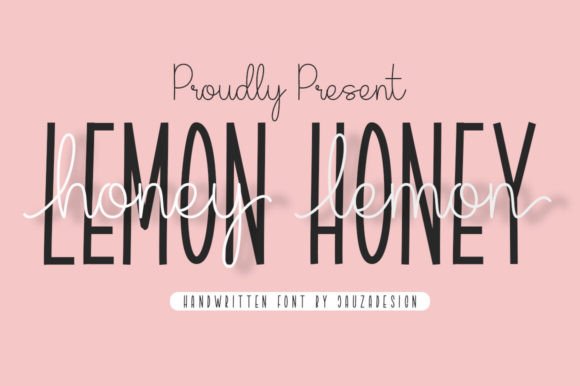
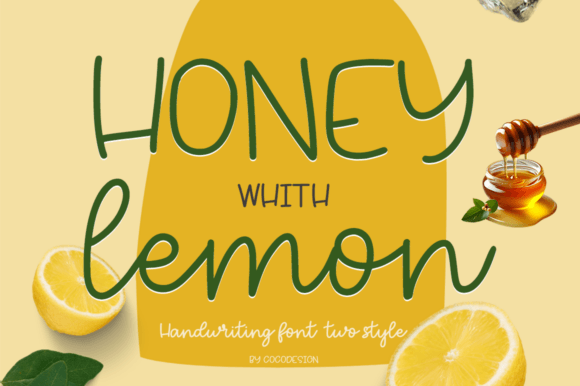
In the crowded landscape of digital typography, finding a font that balances personality with professional polish can feel like a quest for a rare gem. Enter Honey Lemon, an enchantingly sweet handwritten script font that has quickly become a favorite among graphic designers, crafters, and brand strategists seeking to inject warmth and authenticity into their visual communication.
Understanding the Appeal of Handwritten Scripts
Modern design trends increasingly favor organic, human-centric aesthetics. While minimalist sans-serifs have their place, audiences crave connection—a visual whisper that says a real person crafted this message. Honey Lemon answers this call with its flowing, cursive letterforms that mimic the effortless charm of natural handwriting. Unlike generic script fonts, it avoids overly ornate flourishes, ensuring it remains highly legible across various applications. This versatility makes it an indispensable creative asset in a designer's toolkit.
The Role in Brand Identity and Logo Design
When developing a brand identity, typography is the voice of the brand. Honey Lemon excels in niches where approachability and elegance are paramount. Think of boutique bakeries, wedding planners, lifestyle bloggers, or artisanal product lines. Using this font in a logo design immediately signals a commitment to personal touch and care. It softens the corporate edge, making a brand feel more relatable and trustworthy to the end-user.
Practical Applications Across Design Platforms
One of the standout features of Honey Lemon is its cross-platform compatibility. Originally crafted with Cricut users in mind—ensuring smooth vector rendering for SVG files—its utility extends far beyond physical crafting. It integrates seamlessly into digital design workflows, supporting software like Goodnotes, Procreate, Adobe Illustrator, and Canva.
This flexibility opens up a world of possibilities for visual design:
- Social Media Graphics: Create eye-catching Instagram quotes or Pinterest pins that stop the scroll. The font’s charisma adds a personal layer to digital marketing efforts.
- Editorial Design: Use it for pull quotes or subheadings in magazines and blogs to break the monotony of standard body text and guide the reader’s eye through the visual hierarchy.
- UI and Web Design: While script fonts should be used sparingly in user interface design for accessibility, Honey Lemon works beautifully for decorative headers, landing page callouts, or promotional banners where immediate visual impact is required.
- Packaging and Merchandise: From coffee cup sleeves to tote bags, the font translates physical products into bespoke items, enhancing the perceived value of the merchandise.
Strategic Typography: Beyond Aesthetics
Selecting a font is rarely just about how pretty the letters look; it is a strategic decision that impacts user experience and brand consistency. When incorporating a script like Honey Lemon into your design workflow, consider the visual hierarchy. A handwritten font commands attention but can overwhelm if overused.
To maximize its effectiveness:
- Pair with Neutrals: Contrast the fluidity of Honey Lemon with a clean, geometric sans-serif for body text. This ensures readability while maintaining a dynamic, modern aesthetic.
- Mind the Spacing: Script fonts often require manual kerning adjustments to ensure letters flow naturally without colliding. This attention to detail separates amateur work from professional presentation.
- Color Psychology: Pair the font with a color palette that evokes the same feelings. Soft pastels, warm earth tones, or bold citrus hues (fitting the name) can amplify the font's inherent warmth.
Ultimately, the goal of any design asset is to solve a communication problem. Honey Lemon offers a solution for projects that demand a human touch without sacrificing clarity. By thoughtfully integrating this typeface into your creative projects, you bridge the gap between digital precision and the irreplaceable charm of the handwritten word, ensuring your message is not only seen but truly felt by your audience.