Lemon Honey: A Sweet Handwritten Font for Modern Design
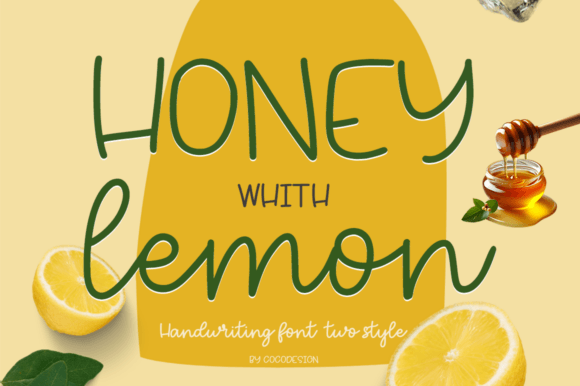
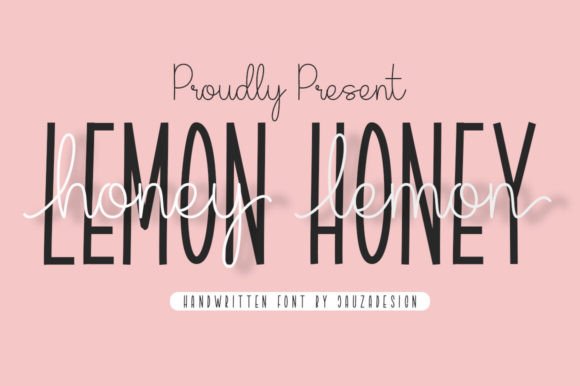
Imagine a typeface that instantly adds warmth, personality, and a touch of handcrafted elegance to any project. That's the essence of Lemon Honey, a sweet and friendly handwritten font designed to elevate visual storytelling. In a digital landscape saturated with sterile, uniform typefaces, Lemon Honey stands out by offering a natural, unique style that feels both authentic and incredibly versatile. For graphic designers, marketers, and creative professionals, selecting the right font is a foundational decision that impacts branding, communication, and user experience. Lemon Honey provides a solution that bridges the gap between playful charm and professional application, making it a valuable asset in any modern design workflow.
The Role of Handwritten Typography in Visual Communication
Typography is a cornerstone of visual design, directly influencing readability, mood, and brand perception. Handwritten fonts like Lemon Honey serve a specific and powerful purpose: they humanize digital content. In an era where consumers crave authenticity, a font that mimics the imperfections and flow of natural handwriting can create an immediate emotional connection. This makes it particularly effective for brands aiming to appear approachable, creative, and trustworthy. From a UX perspective, using such a typeface strategically—perhaps for headings or accent text—can guide the user's eye and create visual hierarchy, breaking up monotonous blocks of sans-serif or serif text.
Practical Applications Across Creative Projects
The true strength of a design asset lies in its adaptability. Lemon Honey’s PUA encoding is a critical feature, granting easy access to all glyphs and ligatures. This allows designers to customize letterforms, add flourishes, and ensure seamless connections between characters, which is essential for creating polished logo design and brand identity systems. Its applications are vast and varied:
- Branding and Logo Design: Craft memorable logos, wordmarks, and brand elements for businesses in lifestyle, beauty, food, or artisanal sectors.
- Marketing and Social Media Graphics: Design engaging quotes, promotional posts, and stories that stand out in crowded feeds, enhancing digital marketing efforts.
- Editorial and Packaging Design: Add a personal touch to magazine layouts, book covers, wedding invitations, or product packaging that tells a story.
- Web and UI Design: Use it for hero text, call-to-action buttons, or decorative elements on websites and apps to inject personality without sacrificing clarity.
- Merchandise and Digital Products: Create compelling designs for apparel, mugs, posters, or digital downloads that resonate with a target audience.
Integrating Lemon Honey into Your Design Workflow
When incorporating a distinctive font like Lemon Honey, thoughtful application is key to maintaining a professional presentation. Consider these practical tips for effective implementation:
- Balance with Simplicity: Pair Lemon Honey with clean, neutral fonts (like a simple sans-serif) for body text. This contrast ensures readability while allowing the handwritten font to shine in headlines or key phrases.
- Mind the Context: Evaluate audience expectations. A playful font works for a bakery's branding but may not suit a corporate law firm's annual report. Always align typography choices with the project's goals and brand voice.
- Test for Scalability: Check how the font renders at various sizes, from a small social media icon to a large billboard mockup. Ensure details remain clear and legible across all intended uses.
- Leverage Glyphs: Explore the full set of alternate characters and ligatures offered by its PUA encoding to add unique flair to specific words or logos, making your design truly one-of-a-kind.
Ultimately, the power of design lies in the details. Choosing quality creative assets like Lemon Honey is not merely about aesthetic preference; it's a strategic decision that enhances visual communication, strengthens brand identity, and improves overall engagement. By thoughtfully integrating such resources into your projects, you ensure that every element works cohesively to deliver a clear, compelling, and memorable message to your audience.